BitOverflow
Unite. Share. Discover.
Join the Buzz: Events, Clubs, and Conversations at Your Fingertips!
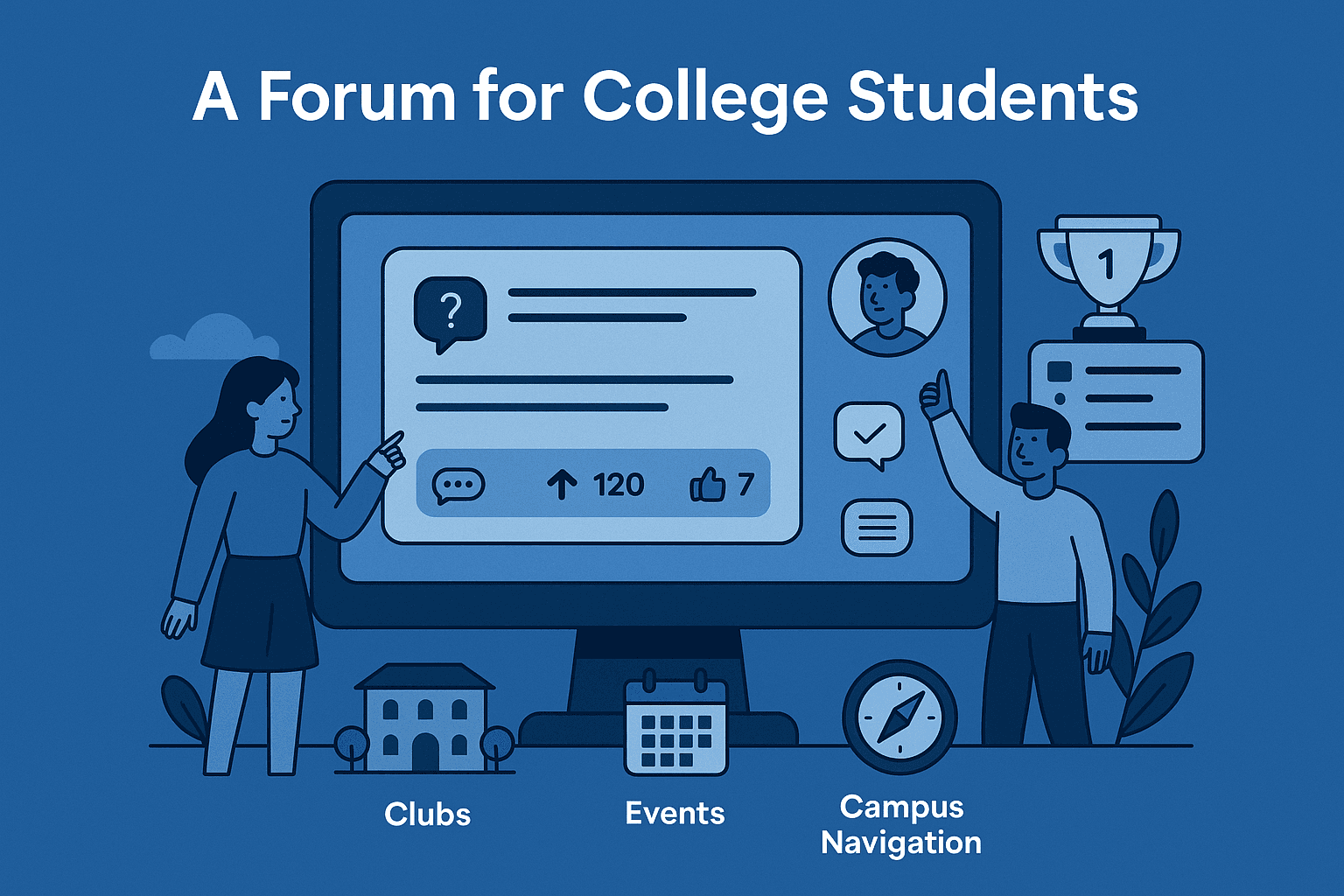
Explore, share, and thrive with your peers in one seamless community hub
Connecting every club, event, and question on campus.
Personalised Dashboard
View your questions, clubs, upcoming events, and activity stats — all tailored to your interests and involvement.
Questions
Post detailed questions with images or code snippets, get real-time peer responses, and build a culture of collaborative learning.
Clubs
Explore a vibrant ecosystem of student clubs, follow updates, join discussions, and never miss an opportunity to get involved.
Events
From tech talks to cultural fests, discover, bookmark, and RSVP to events that shape your college experience.
Remap
Interactive map guides you through departments, clubs, venues, and more.
Leaderboard
Get noticed and earn credibility by rising through the ranks as you ask thoughtful questions, share answers.
Latest Questions
View AllConnection Broken
Our servers are taking a little nap. We'll be back soon!
Top Contributors
Connection Broken
Our servers are taking a little nap. We'll be back soon!